Cochlear implantation in Kazakhstan: the path to hearing from A to Z
Your guide on the path to hearing
Shall we go together?

Deafness isn't a life sentence. Even in the most severe cases, hearing can be restored today with modern technology. If you or your child have been diagnosed with deafness, if you're preparing for cochlear implant surgery, or if you're simply looking for a solution — it's important to know: there is a way forward.
Modern advances in hearing aid fitting and cochlear implantation, including innovative Advanced Bionics technology, help children and adults return to the world of sound, speech and full communication.
Do you need surgery?
At the very start of the journey, it's important to answer two key questions: is cochlear implantation really indicated for you, and which system is right for you. A cochlear implant isn't necessary for everyone. In many cases, a correctly fitted and adjusted hearing aid may be enough.
But if hearing aids no longer provide the speech clarity you need, don't help with communication, and you continue to live in a world of limited sound, cochlear implantation may be the next important step. So the first stage isn't choosing a brand — it's professional diagnostics.
You need to understand how effective hearing aids are in your specific case, and whether there are medical indications for implantation.
Let's find out together whether this is your case — calmly, carefully, and with specialists by your side.
How does a cochlear implant work?

Many people think a cochlear implant is just a very powerful hearing aid. But it actually works differently.
A hearing aid amplifies sound and helps make use of residual hearing. A cochlear implant, on the other hand, takes over the job of the inner ear's damaged hair cells: it converts sound into electrical signals and sends them directly to the auditory nerve.
The system consists of an external part — the speech processor — and an internal part, which is placed during surgery. The processor picks up sounds, processes them, and sends a signal through the coil to the implant. The implant then stimulates the auditory nerve, and the brain learns to perceive these signals as sound.
This isn't just sound amplification — it's modern technology that helps restore a person's access to speech, communication and the world of sound.
How the implant works

Appearance and specifications of the
Advanced Bionics cochlear implant

Surgery is indicated. What's next?
If specialists have confirmed the indications for cochlear implantation, the next step is to follow a clear route for preparing for surgery and subsequent support.
The patient's roadmap includes several stages: choosing a cochlear implant system, a clinic consultation, preparing the necessary medical documents, the surgery itself, the first speech processor activation, follow-up fittings, and hearing-and-speech rehabilitation.
It's important to understand in advance: cochlear implantation doesn't end with the surgery. Real results are formed after activation, regular fittings, sessions with specialists, and daily hearing and speech practice.
When all stages are covered by a single, unified support loop — from delivering the system to service, fitting and patient support — this makes the journey clearer, calmer and more accountable.
Cochlear implantation isn't a one-time procedure — it's a step-by-step path to hearing, speech and a more active life.
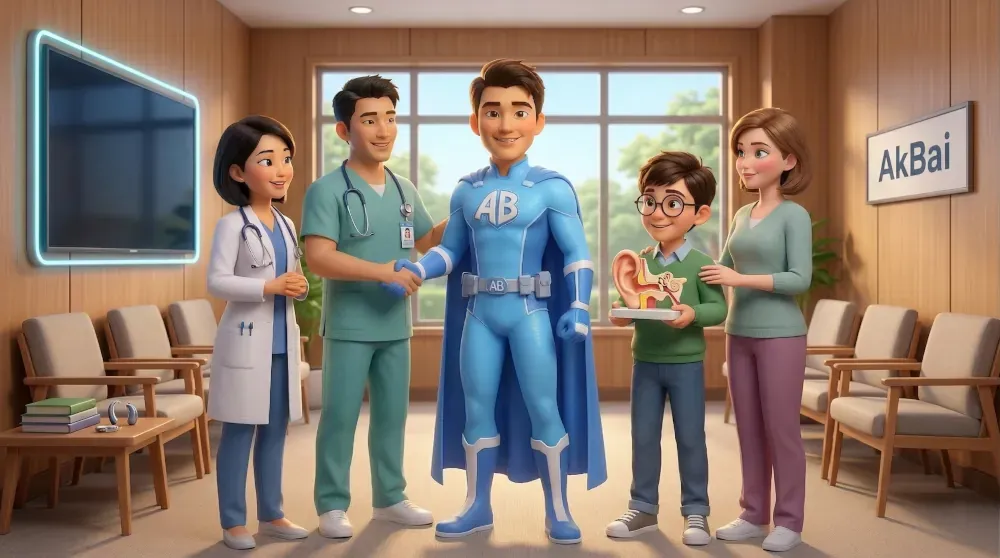
"I've drawn you a map of this journey. From the first meeting to the first word heard, there are a few clear and understandable steps. Don't be scared of the word "surgery" — it only lasts 1–2 hours, and I'll be there with you in spirit!"
How do you choose a cochlear implant?!
There are several cochlear implant systems on the market. At first glance, they look similar, but it's important to choose not just the implant itself, but the entire system: the speech processor, the technology, the manufacturer's reliability, and service and support after surgery.
A cochlear implant is a decision for many years to come. That's why it's especially important for the patient to receive support within one reliable loop: from choosing the system and delivering the equipment, to activation, fitting, service support and rehabilitation.
A closed loop with a single distributor increases accountability to the patient and the clinic: every stage is under the control of a single team, which means it's easier to resolve issues, get help faster, and maintain continuity of support.
A good system should help a child develop, learn and communicate with peers, and help an adult work, travel and live an active life without unnecessary limits.
Choosing a cochlear implant means choosing technology, service, and everyday quality of life. Let's take a closer look at how to choose a cochlear implant system
Why Advanced Bionics and Marvel?
Advanced Bionics is one of the world's leaders in cochlear implantation, with many years of experience developing solutions for people with severe and profound hearing loss.
The Marvel CI platform combines Advanced Bionics technology with Phonak's expertise in hearing aid fitting. This means the user gets not just an implant, but a modern ecosystem for life: automatic adaptation to different sound situations, convenient connectivity with smartphones and gadgets, support in noisy environments, remote fitting, and solutions for an active lifestyle.
Marvel CI helps a child learn, play and develop, and helps an adult communicate, work, travel and live more freely every day.

Marvel CI isn't just a speech processor. It's a modern technology ecosystem: automatic adaptation to the sound environment with AutoSense OS™ 3.0, direct connection to smartphones and other Bluetooth devices, built-in RogerDirect support, remote fitting via AB Remote Support, and solutions for an active life, including the M Waterproof Battery.
Marvel CI — technology that helps you hear life in every situation.
The research is behind you. The implant is chosen. Ahead lies the day that will change everything
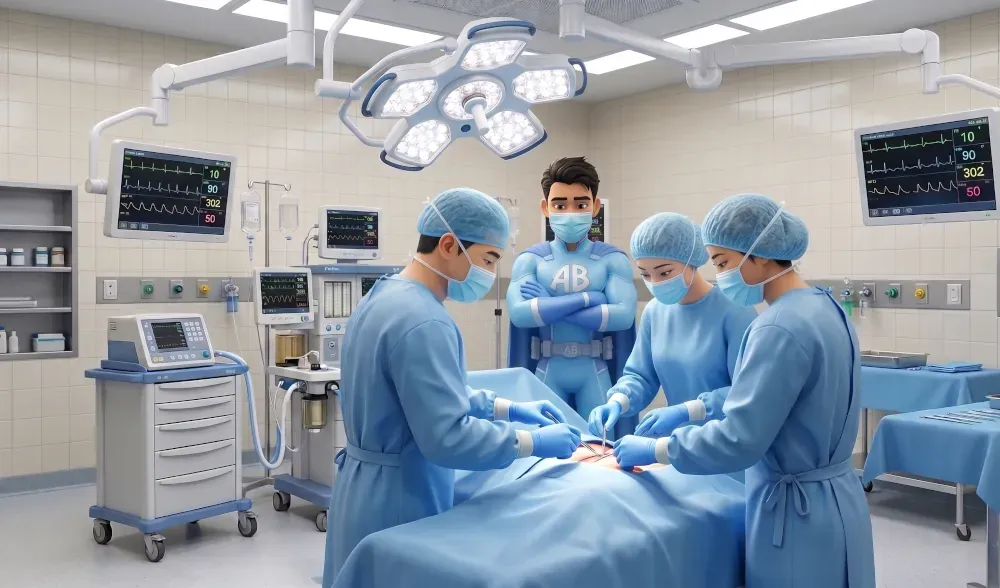
The surgery is performed at a specialized clinic by a team of experienced surgeons. During the procedure, the internal part of the system — the cochlear implant — is placed under the skin behind the ear, and the electrode array is carefully inserted into the inner ear. It's this array that will later transmit electrical signals to the auditory nerve.
After surgery, the patient needs time to recover. It's important to understand: immediately after the surgical stage, the person doesn't yet hear through the implant. The speech processor is activated for the first time later, after the tissue has healed and a specialist has examined the patient.
Surgery is an important step, but not the end of the journey. The real work with hearing begins after activation, fitting, and hearing-and-speech rehabilitation.
Rehabilitation: learning to hear and understand sounds again
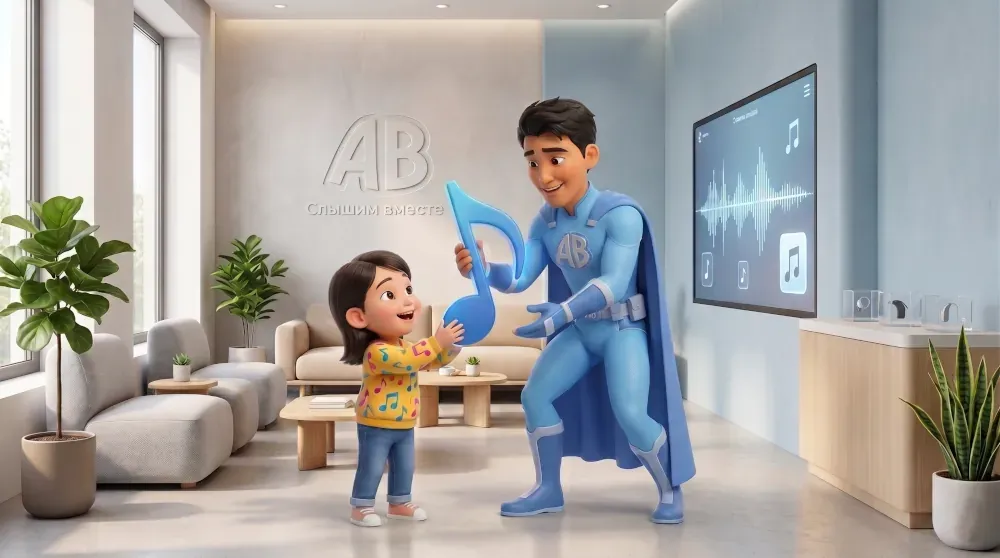
Getting an implant is like receiving a new, very powerful musical instrument. But even the best instrument doesn't play music on its own — you need to learn to play it.
It's the same with a cochlear implant. After activation, a child or adult starts receiving new sound signals, but the brain needs time to figure out: where's the voice of a loved one, where's the sound of water, where's the phone ringing, where's the music, and where's just background noise.
Rehabilitation is our "gym for hearing." Here, we gradually train the brain: learning to notice sounds, tell them apart, understand speech, and confidently use hearing in everyday life.
For children, this path is often tied to speech development, play, communication and learning. For adults, it's about returning to familiar sounds: conversations with loved ones, work, phone calls, meetings, music, and everyday independence.
Recovery and rehabilitation after surgery take time and require effort from both the child and the parents. Read more in our article – recovery after cochlear implantation.
This is a journey a person goes through together with their family and specialists. Through small steps, exercises, repetition, support and regular practice, we help sounds become understandable, familiar and meaningful again